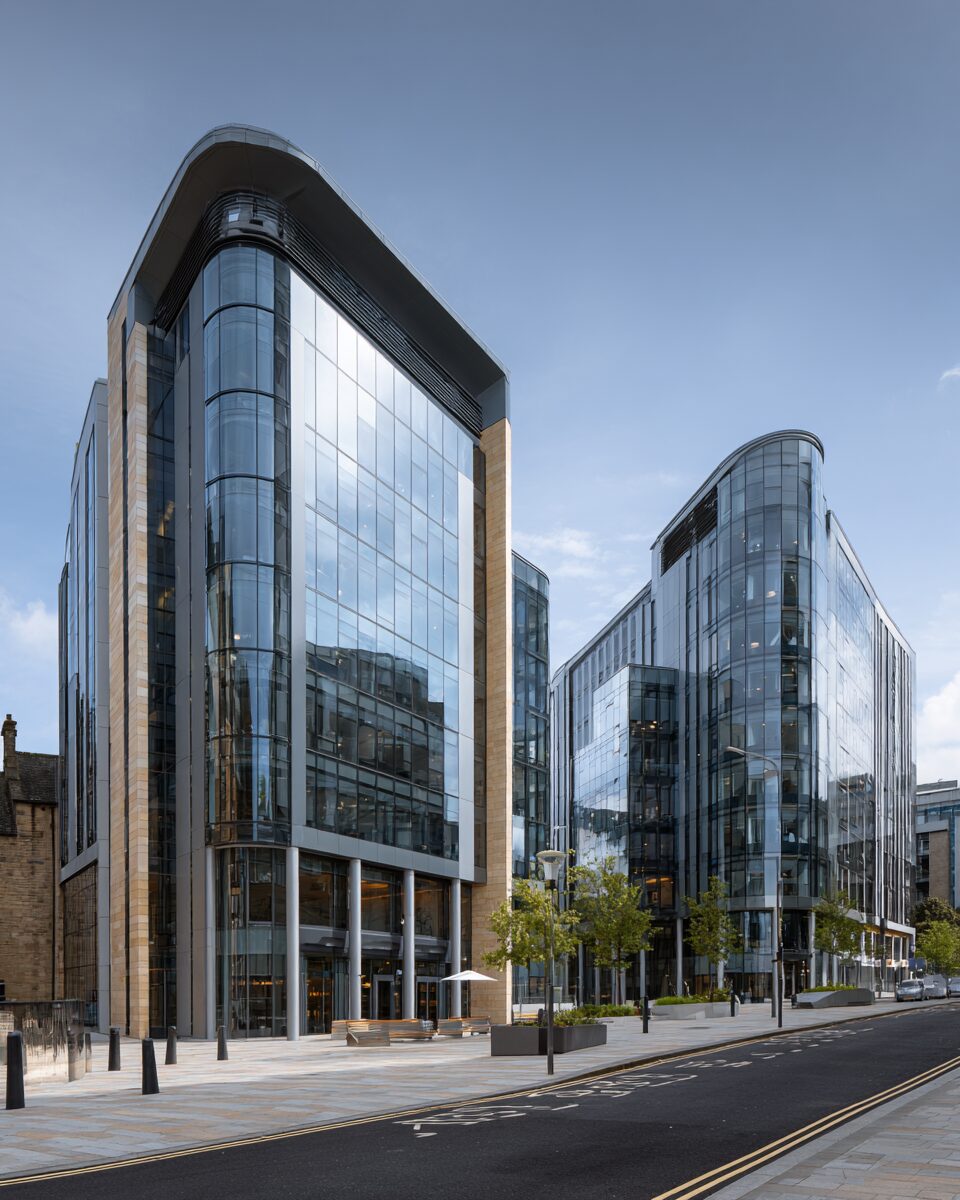
Bristol's commercial market is characterised by a relatively small supply of Grade A city-centre stock against strong occupier demand, which means tenants often occupy a mix of new-build, refurbished, and converted space within the same estate. That mix creates cleaning contracts of varying complexity: a Temple Quarter new-build has different specifications from a Harbourside warehouse conversion, and an occupier spanning both may have two contracts that were never designed to sit alongside each other. Clifton's professional and financial services cluster operates in predominantly period stock where specialist floor and surface care is a recurring contract gap.
Cabot Circus and the Broadmead retail zone create cleaning demand at the boundary between commercial office and retail, an area where responsibility boundaries between landlord, management company, and individual tenants are frequently unclear and generate uncontracted cost. Redcliffe, with its mix of creative agencies, technology businesses, and converted commercial space, is an area where informal cleaning arrangements are common and the step to a formal contract often reveals significant specification gaps. Our scorecard is calibrated to Bristol's distinct South West market characteristics rather than applied as a national template.